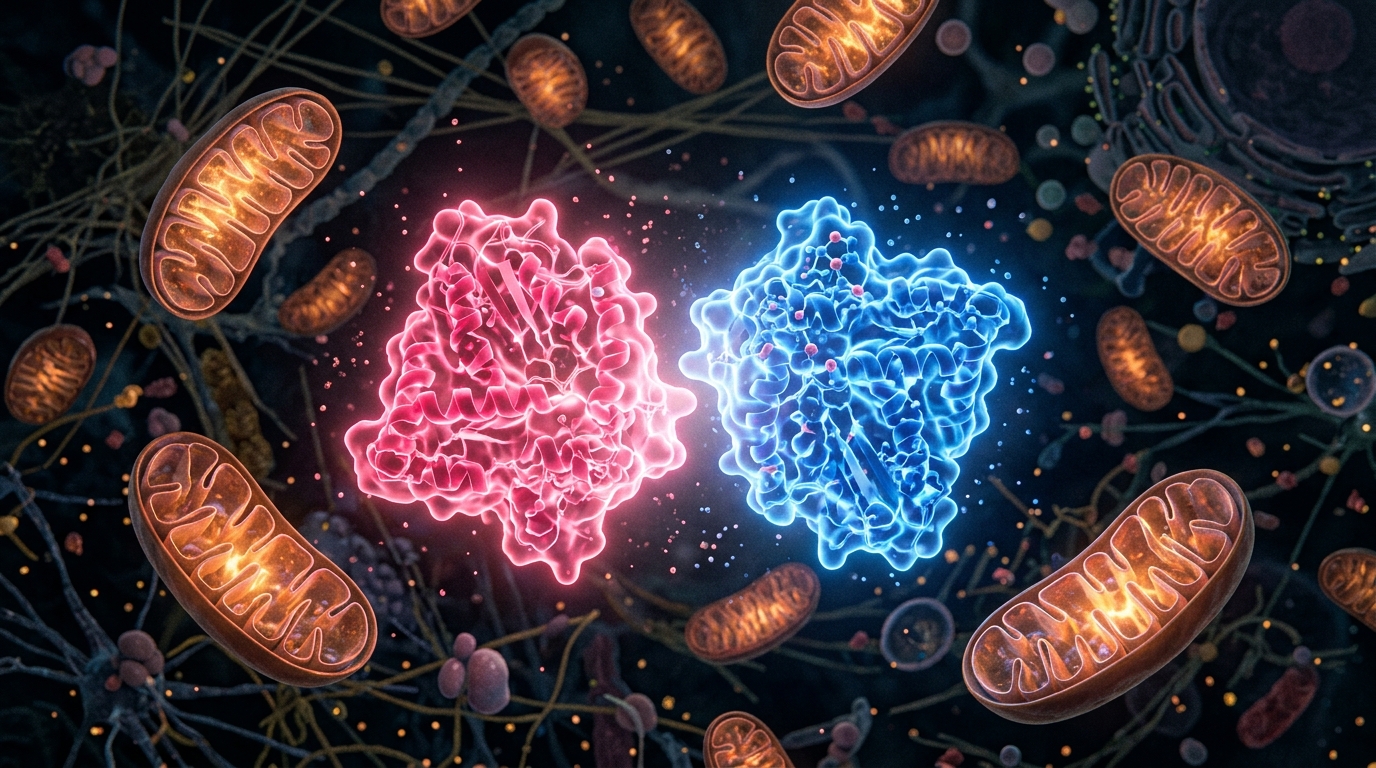
As interest in longevity supplements grows, two compounds have emerged as leading candidates for supporting mitochondrial health: Urolithin A and NMN (Nicotinamide Mononucleotide). Both target the mitochondria — the powerhouses of your cells — but through entirely different mechanisms.
In this guide, we break down the science behind each supplement, compare their benefits, and help you decide which one may be a better fit for your health goals.
What Is Urolithin A?
Urolithin A is a postbiotic compound produced when gut bacteria metabolize ellagitannins found in foods like pomegranates, walnuts, and berries. However, not everyone’s gut microbiome can produce it efficiently, which is why supplementation has gained popularity.
How Urolithin A Works
Urolithin A primarily supports mitochondrial health through mitophagy — the process by which your cells identify and recycle damaged mitochondria. Think of it as a quality control system that removes underperforming mitochondria so new, healthy ones can take their place.
Key Research Findings
- A 2019 clinical trial published in Nature Metabolism showed that Urolithin A improved mitochondrial biomarkers in elderly adults
- Studies indicate it may improve muscle endurance and reduce inflammation
- It has been granted GRAS (Generally Recognized As Safe) status by the FDA
What Is NMN?
NMN (Nicotinamide Mononucleotide) is a precursor to NAD+ (Nicotinamide Adenine Dinucleotide), a coenzyme found in every cell of your body. NAD+ levels naturally decline with age, which is linked to reduced energy production and accelerated aging.
How NMN Works
NMN works by boosting NAD+ levels in your cells. NAD+ is essential for:
- Energy metabolism — powering the mitochondrial electron transport chain
- DNA repair — activating sirtuins, a family of proteins involved in cellular repair
- Circadian rhythm regulation — supporting healthy sleep-wake cycles
Key Research Findings
- A 2021 study in Science demonstrated that NMN supplementation improved aerobic capacity in recreational runners
- Research in animal models shows NMN can reverse age-related decline in various organs
- Multiple human clinical trials are ongoing with promising early results
Urolithin A vs NMN: Head-to-Head Comparison
| Feature | Urolithin A | NMN |
|---|---|---|
| Primary Mechanism | Mitophagy (recycling old mitochondria) | NAD+ boosting (fueling existing mitochondria) |
| Target | Mitochondrial quality | Mitochondrial quantity & function |
| Human Clinical Trials | Yes (published) | Yes (growing body) |
| FDA Status | GRAS | Dietary supplement (status varies by country) |
| Typical Dose | 500–1000 mg/day | 250–1000 mg/day |
| Best For | Cellular cleanup, muscle health | Energy, DNA repair, overall NAD+ support |
Which Should You Choose?
The answer depends on your health goals:
Choose Urolithin A if:
- You want to focus on cellular cleanup and renewal
- You’re interested in improving muscle endurance and recovery
- You prefer a supplement with strong published clinical data
- You have digestive issues that may limit natural Urolithin A production
Choose NMN if:
- You want to address age-related NAD+ decline
- You’re focused on energy levels and cognitive function
- You want broad anti-aging support through sirtuin activation
- You’re looking for a well-researched NAD+ precursor
Can You Take Both?
Yes. Since Urolithin A and NMN work through complementary pathways, many longevity researchers suggest they can be taken together. Urolithin A cleans up damaged mitochondria while NMN fuels the remaining healthy ones with NAD+.
Frequently Asked Questions
Is Urolithin A safe to take daily?
Clinical trials have shown Urolithin A to be safe at doses up to 1000 mg per day. It has been granted GRAS status by the FDA. However, always consult with your healthcare provider before starting any new supplement.
How long does it take for NMN to work?
Most users report feeling increased energy within 2-4 weeks of consistent supplementation. However, cellular-level benefits like improved NAD+ levels can be measured within days of starting NMN.
Are there any side effects?
Both supplements are generally well-tolerated. Some people report mild digestive discomfort when first starting NMN. Urolithin A side effects are rare in clinical studies.
What is the best time to take these supplements?
NMN is typically taken in the morning due to its role in NAD+ metabolism and circadian rhythm. For detailed dosing guidance, see our NMN dosage guide by age. Urolithin A can be taken at any time, though some prefer taking it with a meal for better absorption. Learn more in our complete Urolithin A guide.
The Bottom Line
Both Urolithin A and NMN are promising supplements for supporting mitochondrial health, but they work through fundamentally different mechanisms. Urolithin A focuses on mitochondrial quality through mitophagy, while NMN boosts mitochondrial function by replenishing NAD+ levels.
For the most comprehensive approach to mitochondrial health, combining both supplements may offer synergistic benefits — though more research on their combined effects is needed. See our complete mitochondrial supplement stack guide for how to combine them with CoQ10, PQQ, and other synergistic compounds.
Always consult a healthcare professional before starting any supplement regimen, especially if you have existing health conditions or take medications.
Frequently Asked Questions
Q: Should I take urolithin A or NMN? They work through different mechanisms and are complementary rather than competing. Urolithin A activates mitophagy (removes damaged mitochondria), while NMN boosts NAD+ (fuels mitochondrial function). Taking both together is a rational longevity stack.
Q: Which is better for energy — urolithin A or NMN? NMN typically produces faster, more noticeable energy improvements (often within 2–4 weeks) by directly boosting NAD+. Urolithin A’s energy benefits develop more gradually (4–12 weeks) as mitochondrial quality improves over time.
Q: Can I stack urolithin A and NMN together? Yes — this is one of the most evidence-backed longevity supplement combinations. NMN (250–500mg) + Urolithin A (500mg) daily covers both NAD+ restoration and mitophagy activation simultaneously.
Q: Which is more expensive, urolithin A or NMN? Quality urolithin A (Mitopure®) tends to cost $60–100/month. Quality NMN ranges from $40–80/month. Combined, expect $100–160/month for a full stack.
Related reading: What Is Urolithin A? | Best NMN Supplements in 2026 | Urolithin A for Muscle Recovery | Best Mitochondrial Supplement Stack
Sources:
- Andreux, P.A., et al. (2019). The mitophagy activator urolithin A is safe and induces a molecular signature of improved mitochondrial and cellular health in humans. Nature Metabolism, 1(6), 595-603.
- Liao, B., et al. (2021). Nicotinamide mononucleotide supplementation enhances aerobic capacity in amateur runners. Journal of the International Society of Sports Nutrition, 18(1), 54.
- Yoshino, J., et al. (2021). Nicotinamide mononucleotide increases muscle insulin sensitivity in prediabetic women. Science, 372(6547), 1224-1229.